
Every startup faces the same question sooner or later:
Should we invest in organic growth or paid advertising?
With limited budgets and high expectations, it’s tempting to put every dollar into ads hoping for quick results. Others avoid paid marketing altogether and focus only on SEO and social media.
The truth is, both approaches can help your business grow. The challenge is knowing when to use each one.
In this guide, we’ll compare organic growth and paid growth, explain their pros and cons, and help you decide which strategy is right for your startup.
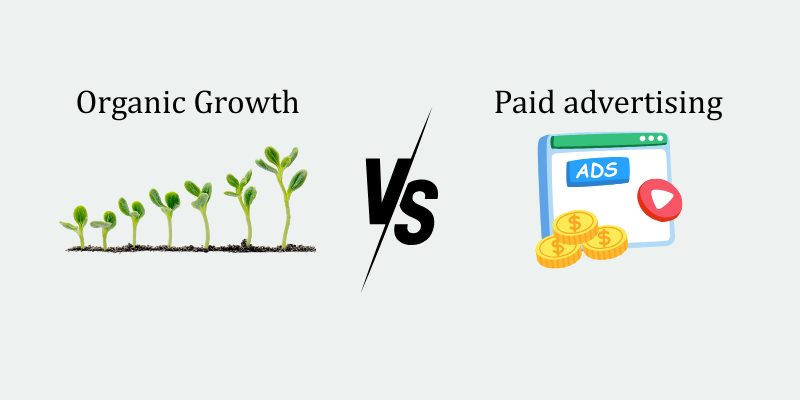
What Is Organic Growth?
Organic growth is the process of attracting customers without paying directly for every click or impression.
It focuses on creating valuable content, improving your website, and building long-term visibility.
Common organic marketing channels include:
- Search Engine Optimization (SEO)
- Blog content
- Social media content
- Email marketing
- Google Business Profile
- Referral marketing
Organic growth takes time, but it continues to generate traffic long after the work is done.
What Is Paid Growth?
Paid growth involves using advertising platforms to reach potential customers quickly.
Instead of waiting for people to find you, you place your business in front of your target audience.
Popular paid channels include:
- Meta Ads
- Google Ads
- LinkedIn Ads
- TikTok Ads
- YouTube Ads
Paid marketing delivers faster results but requires ongoing investment.
Organic Growth vs Paid Growth
| Organic Growth | Paid Growth |
|---|---|
| Lower long-term cost | Faster results |
| Builds trust over time | Immediate visibility |
| Sustainable traffic | Traffic stops when ads stop |
| Takes time to grow | Easy to scale quickly |
| Improves brand authority | Great for testing offers |
Neither option is better in every situation. The right choice depends on your business goals, timeline, and budget.
What the Numbers Say
Research shows why organic visibility matters.
According to BrightEdge, organic search drives 53.3% of all website traffic, making it the largest source of traffic for most websites. This highlights the long-term value of investing in SEO and content marketing.
At the same time, Google Economic Impact reports that businesses earn an average of $2 in revenue for every $1 spent on Google Ads, although actual returns vary by industry, campaign quality, and competition.
These statistics show that both organic and paid strategies can deliver strong results when managed effectively.
When Startups Should Prioritize Organic Growth
Organic growth is often the best choice when:
- You’re building brand awareness.
- Your marketing budget is limited.
- You want long-term results.
- You’re willing to invest time before seeing returns.
For example, publishing helpful blog articles can continue attracting visitors months or even years after they’re written.
A well-optimized website also becomes more valuable over time.
Organic marketing is an investment that keeps working long after the initial effort.
When Paid Growth Makes More Sense
Paid marketing is ideal when:
- You need leads quickly.
- You’re launching a new product.
- You’re testing a new market.
- You have a proven offer.
- You need predictable customer acquisition.
Paid campaigns allow startups to collect data quickly and learn which audiences, messages, and offers perform best.
The key is careful targeting and continuous optimization.
Build a Growth Strategy That Fits Your Startup
Many startups waste money because they rely entirely on one approach.
At FirmrootMarketing, we help startups combine organic growth and performance marketing into one strategy that generates qualified leads, improves ROI, and supports sustainable business growth.
The Biggest Mistake Startups Make
Many startups think marketing is a choice between SEO or ads.
It isn’t.
Businesses that grow consistently often use both.
Here’s a simple example:
- Use paid ads to generate leads immediately.
- Publish blog content to build long-term traffic.
- Optimize your website for search engines.
- Use email marketing to nurture prospects.
- Retarget website visitors with paid ads.
Each channel supports the others, creating a stronger marketing system.
A Simple Growth Plan for Startups
If you’re just getting started, consider this approach:
Stage 1: Build the Foundation
- Create a professional website.
- Define your ideal customer.
- Set up analytics.
- Optimize your website for SEO.
Stage 2: Build Organic Visibility
- Publish valuable blog content.
- Improve your search rankings.
- Stay active on relevant social platforms.
- Collect customer reviews.
Stage 3: Scale with Paid Marketing
Once your website and messaging are ready:
- Launch targeted ad campaigns.
- Test different audiences and offers.
- Track conversions.
- Increase spending on campaigns that perform well.
This balanced approach reduces risk while creating both short-term and long-term growth.
Which Strategy Delivers Better ROI?
The answer depends on your goals.
If you need customers next week, paid advertising is usually the faster option.
If you want sustainable growth over the next few years, organic marketing offers greater long-term value.
The strongest businesses don’t choose one over the other. They combine both to create a marketing system that delivers immediate results while building future growth.
Final Thoughts
Organic growth and paid growth aren’t competitors. They’re partners.
Organic marketing builds trust, authority, and long-term visibility.
Paid marketing helps you reach the right audience faster and generate results sooner.
For most startups, the smartest approach is to build a strong foundation with SEO, content, and a high-performing website while using paid advertising strategically to accelerate growth.
At Firmroot Marketing, we believe every marketing dollar should work toward both today’s goals and tomorrow’s success. By combining marketing strategy, organic growth, performance marketing, content marketing, and website development, we help startups build marketing systems that deliver measurable results and lasting business growth.
The best time to build that system is before your marketing budget starts disappearing.